Table of Contents
A bulging disc and a herniated disc get talked about as if they are the same thing, but they are two different conditions with different implications for your spine and your care. Both involve the discs that sit between your vertebrae, and both can cause pain, but understanding the difference helps you make sense of what is actually happening in your back. At Leading Edge Chiropractic in Holmen WI, Dr. Chad Updike helps patients understand their disc issues so they know what they are dealing with.
What Spinal Discs Actually Do
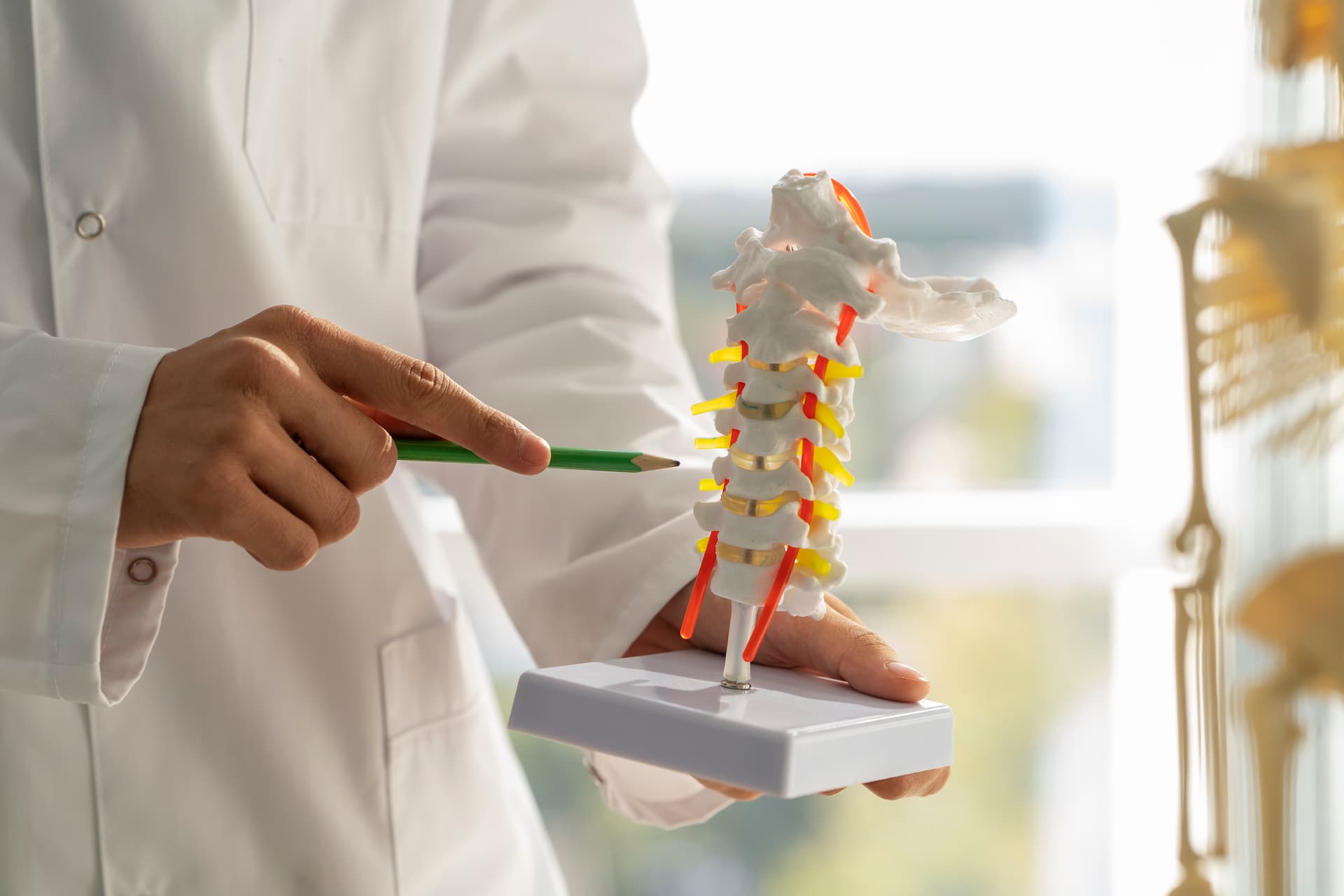
Before getting into the difference, it helps to understand what these discs are. Between each pair of vertebrae sits a spinal disc that acts as a cushion and shock absorber. Each disc has a tough outer layer, called the annulus, and a soft gel-like center, called the nucleus.
These discs allow your spine to bend, twist, and absorb impact throughout the day. They are under constant load, and over time, through wear, injury, or poor spinal mechanics, they can become damaged in different ways. A bulging disc and a herniated disc are two of those ways, and the distinction comes down to what is happening to the disc structure.
What Is a Bulging Disc?
A bulging disc happens when the disc extends beyond its normal boundary, but the outer layer stays intact. Think of it like a tire that is slightly overinflated and bulges out on one side. The disc is pushing outward, but nothing has broken through.
Bulging discs are extremely common and often develop gradually over time. Many people have bulging discs and do not even know it because they cause no symptoms. The bulge only becomes a problem when it presses on a nearby nerve or the spinal cord, which can produce pain, stiffness, or nerve symptoms.
Because a bulging disc involves the outer layer staying intact, it is generally considered the less severe of the two conditions. That said, a bulging disc that is compressing a nerve can still cause significant discomfort and deserves proper attention.
What Is a Herniated Disc?
A herniated disc is a step further. In a herniation, the tough outer layer of the disc cracks or tears, and some of the soft inner material pushes out through the opening. This is sometimes called a slipped or ruptured disc, though the disc does not actually slip anywhere.
When that inner material escapes, it can directly irritate or compress the nearby nerves, and it can also trigger an inflammatory response that adds to the pain. This is why herniated discs often produce more pronounced symptoms, including sharp pain, numbness, tingling, or weakness that can radiate down an arm or leg depending on where the herniation is.
A herniated disc in the lower back is a common cause of sciatica, where the escaped material irritates the sciatic nerve and produces radiating leg pain.
How to Tell Them Apart
From a symptom standpoint, the two can feel similar, which is part of why they get confused. Both can cause back pain and both can produce nerve symptoms. But there are some general patterns.
Bulging discs tend to produce more diffuse, achy discomfort and stiffness, and symptoms may come and go. Herniated discs more often produce sharp, specific pain and more pronounced nerve symptoms like numbness, tingling, or weakness in a specific area.
That said, the only way to know for certain what is happening is a proper evaluation. Imaging like an MRI can show the structural difference, but the clinical picture, how the pain behaves and what the examination reveals, is just as important in guiding care.
How Chiropractic Care Addresses Disc Problems
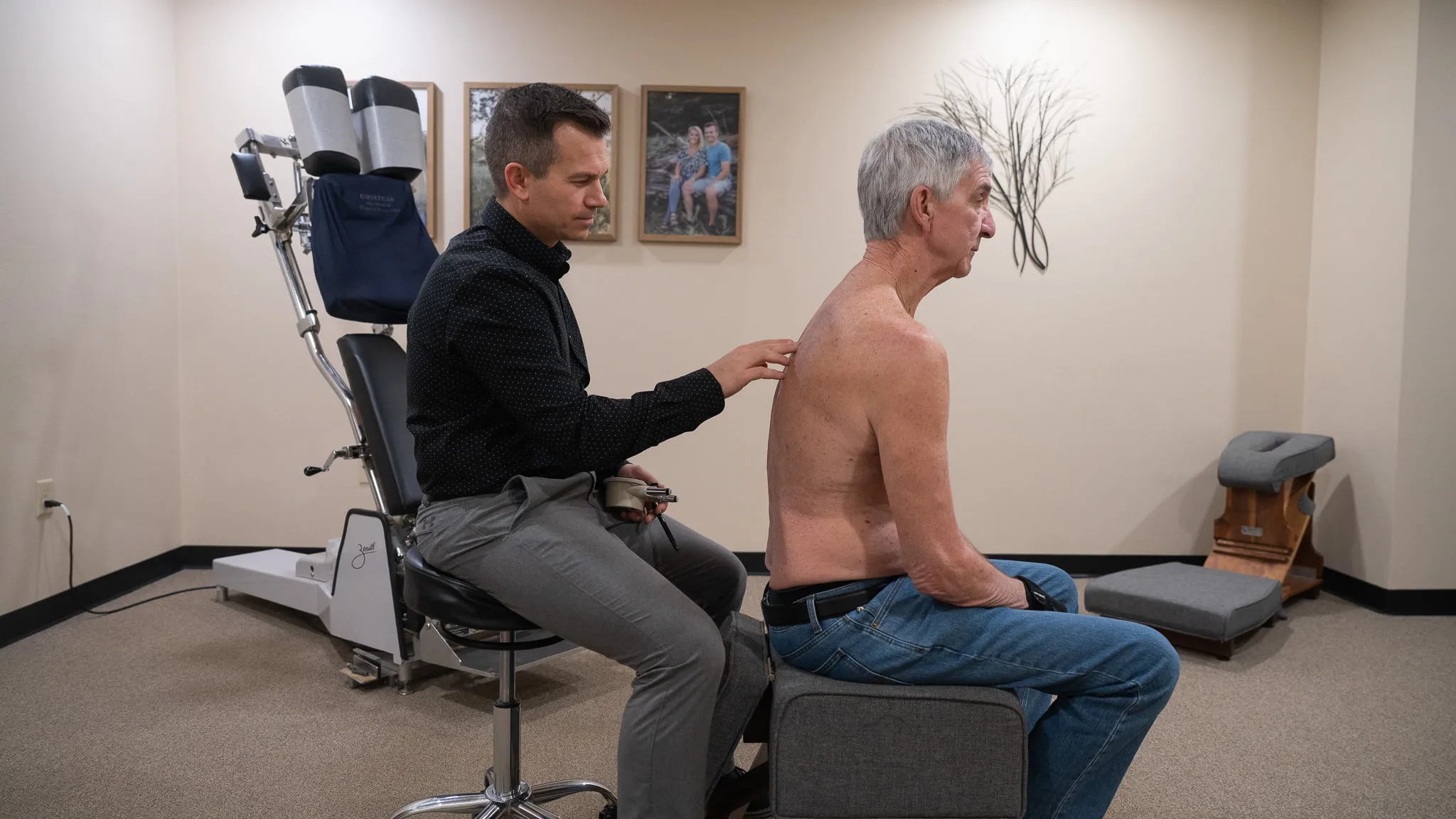
Both bulging and herniated discs often respond well to chiropractic care, particularly when the goal is to reduce the pressure on the affected nerves and restore proper spinal mechanics. Dr. Chad uses the Gonstead method to identify exactly which segment is involved and how it is affecting the surrounding structures.
The Gonstead approach is well suited to disc issues because of its precision. Rather than applying a general adjustment across the whole spine, care is targeted to the specific segment where the disc problem is located. This specificity matters when working around a disc that is already compromised.
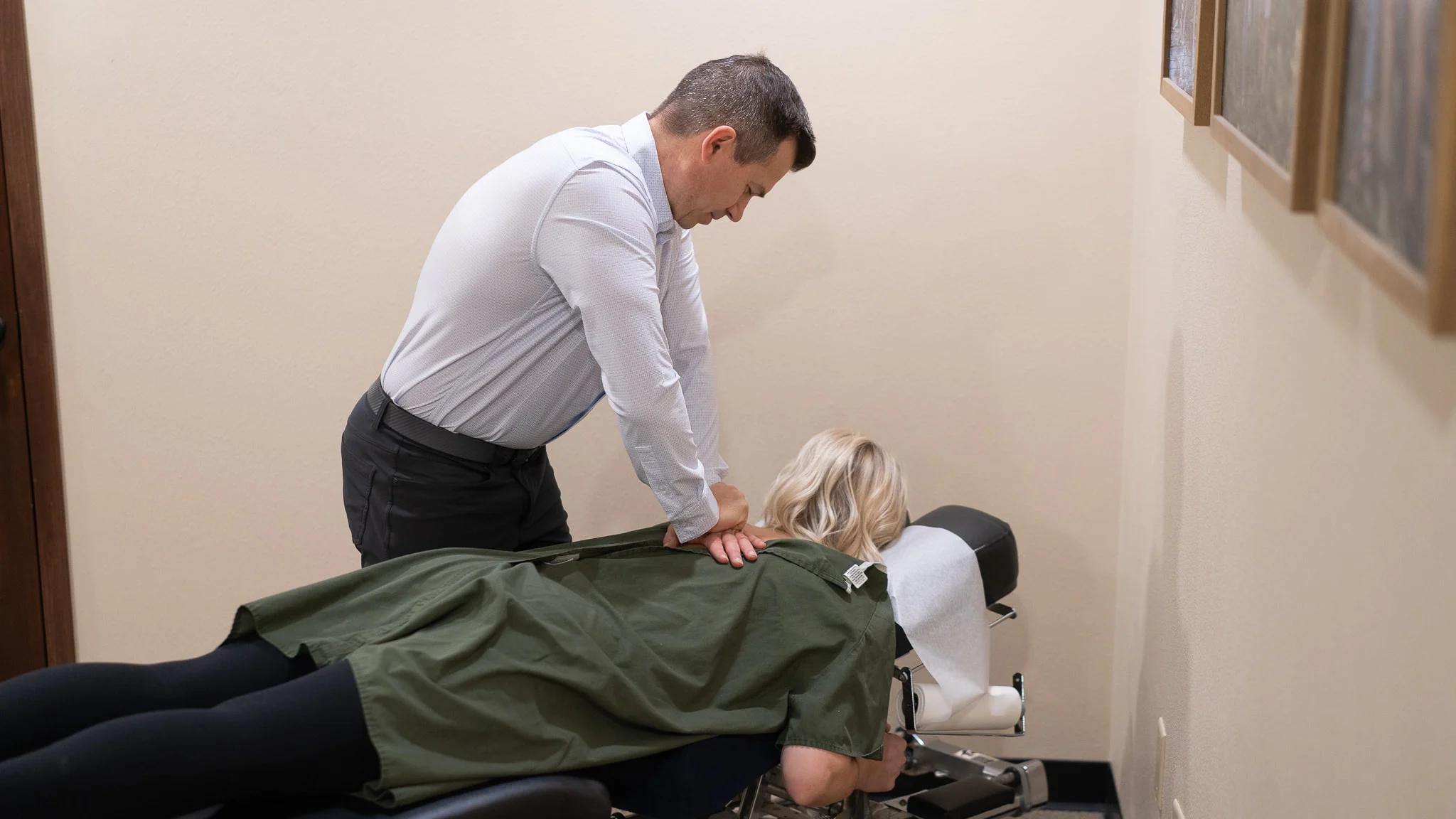
Chiropractic care for disc problems focuses on relieving the mechanical stress and nerve compression driving the symptoms. As the affected segment is restored to better alignment and motion, the pressure on the nerve is reduced and the body has a better environment to heal in. Many patients in the La Crosse area find meaningful relief through conservative chiropractic care without the need for surgery.
When a Disc Problem Needs More Than Chiropractic
Most disc problems respond to conservative care, but not all of them. Certain signs indicate a situation that needs prompt medical evaluation rather than chiropractic care alone.
- Progressive weakness in a leg or arm that is getting worse
- Loss of bladder or bowel control
- Numbness in the saddle region between the legs
- Severe, unrelenting pain that does not respond to any position
These are red flags that require immediate medical attention. Dr. Chad screens for these during evaluation and will refer appropriately if any are present. For the large majority of disc problems that do not involve these warning signs, chiropractic care is a strong conservative option.
Which One Is More Serious?
Generally, a herniated disc is considered more significant than a bulging disc because the disc structure has actually been breached and inner material has escaped. But this is not an absolute rule. A large bulging disc pressing firmly on a nerve can cause more symptoms than a small herniation that is not compressing anything.
What matters most is not the label but whether the disc is affecting a nerve and how much. That is why an individual evaluation is more useful than assumptions based on the term alone. Two people with the same diagnosis can have very different situations depending on the specifics.
Frequently Asked Questions
Can a bulging disc turn into a herniated disc?
Yes, it can. A bulging disc represents a weakening of the disc structure, and under continued stress or injury, that weakened area can progress to a full herniation. Addressing a bulging disc and improving spinal mechanics can help reduce that risk.
Do I need an MRI to know which one I have?
An MRI is the most definitive way to see the structural difference, but it is not always necessary to begin care. The clinical evaluation often provides enough information to guide treatment. Dr. Chad will advise whether imaging would be helpful in your specific situation.
Get Clarity on Your Disc Problem
If you have been told you have a bulging or herniated disc and want to understand what it means and what to do about it, we can help. Contact Leading Edge Chiropractic or call 608-526-2854 to schedule an evaluation with Dr. Chad in Holmen.
Leading Edge Chiropractic serves Holmen, WI and the surrounding La Crosse area with precise, results-driven chiropractic care. Dr. Chad Updike and Dr. Katie Canar are both extensively trained in the Gonstead method, bringing a level of specificity and thoroughness to every patient that goes well beyond a standard adjustment. Dr. Chad serves as Team Chiropractor for the Holmen High School football team and has spent a decade on the board of the Chiropractic Society of Wisconsin, including two years as President. Dr. Katie graduated summa cum laude from Palmer College of Chiropractic, holds Webster Certification for prenatal care, and has completed hundreds of hours of advanced Gonstead training. Together they care for patients of all ages, from infants and student-athletes to active adults and seniors. If you’re ready to find out what’s actually driving your symptoms, contact Leading Edge Chiropractic today.