
Sprain & Strain Treatment in Holmen, WI

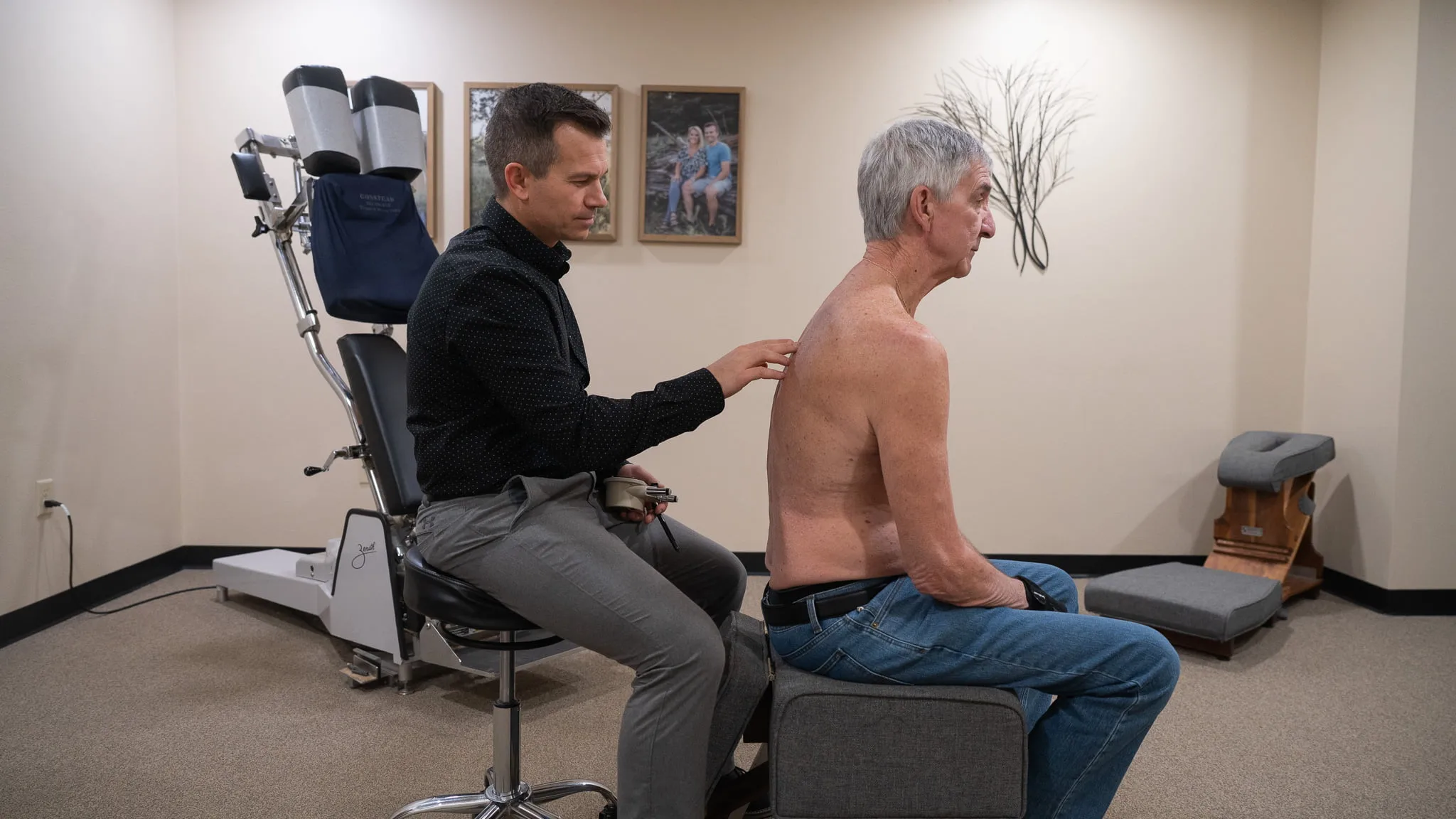
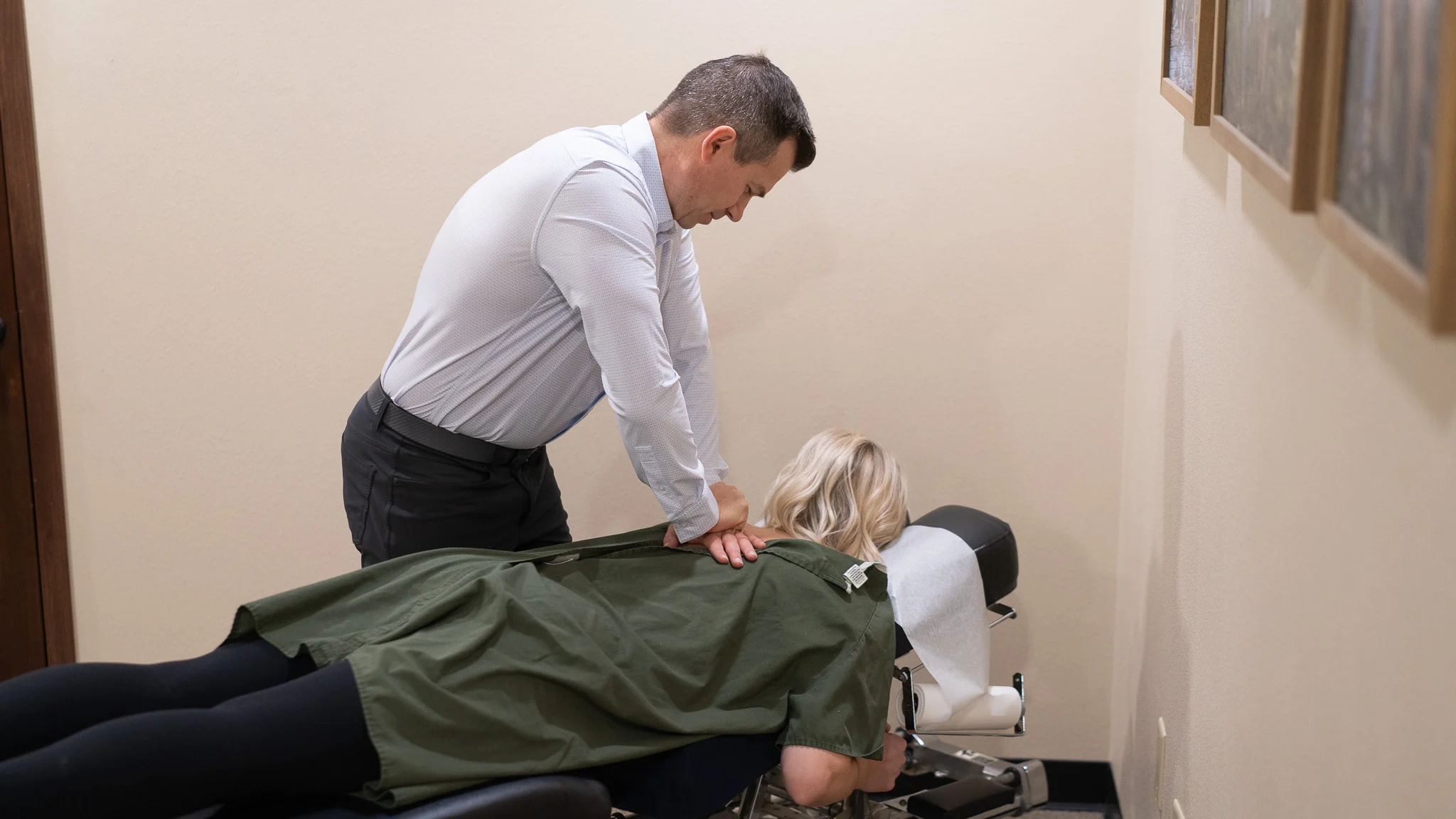
We support patients recovering from sprains and strains with precise Gonstead chiropractic care tailored to the specific injury and the individual. Dr. Katie and Dr. Chad go beyond the injury site – assessing how it affects joint mechanics, spinal alignment, and movement patterns so recovery is complete, not just comfortable.

Understanding Sprains & Strains

Sprains and strains are among the most common injuries we see – and one of the most commonly undertreated. A sprain involves stretching or tearing of a ligament, while a strain affects muscle or tendon fibers. Both create localized pain, swelling, and restricted movement, and both have a tendency to leave behind compensation patterns throughout the spine and joints if they aren’t fully addressed.

A person's right hand grasping their left wrist, which shows a prominent red, inflamed area on the skin, indicating pain or irritation.
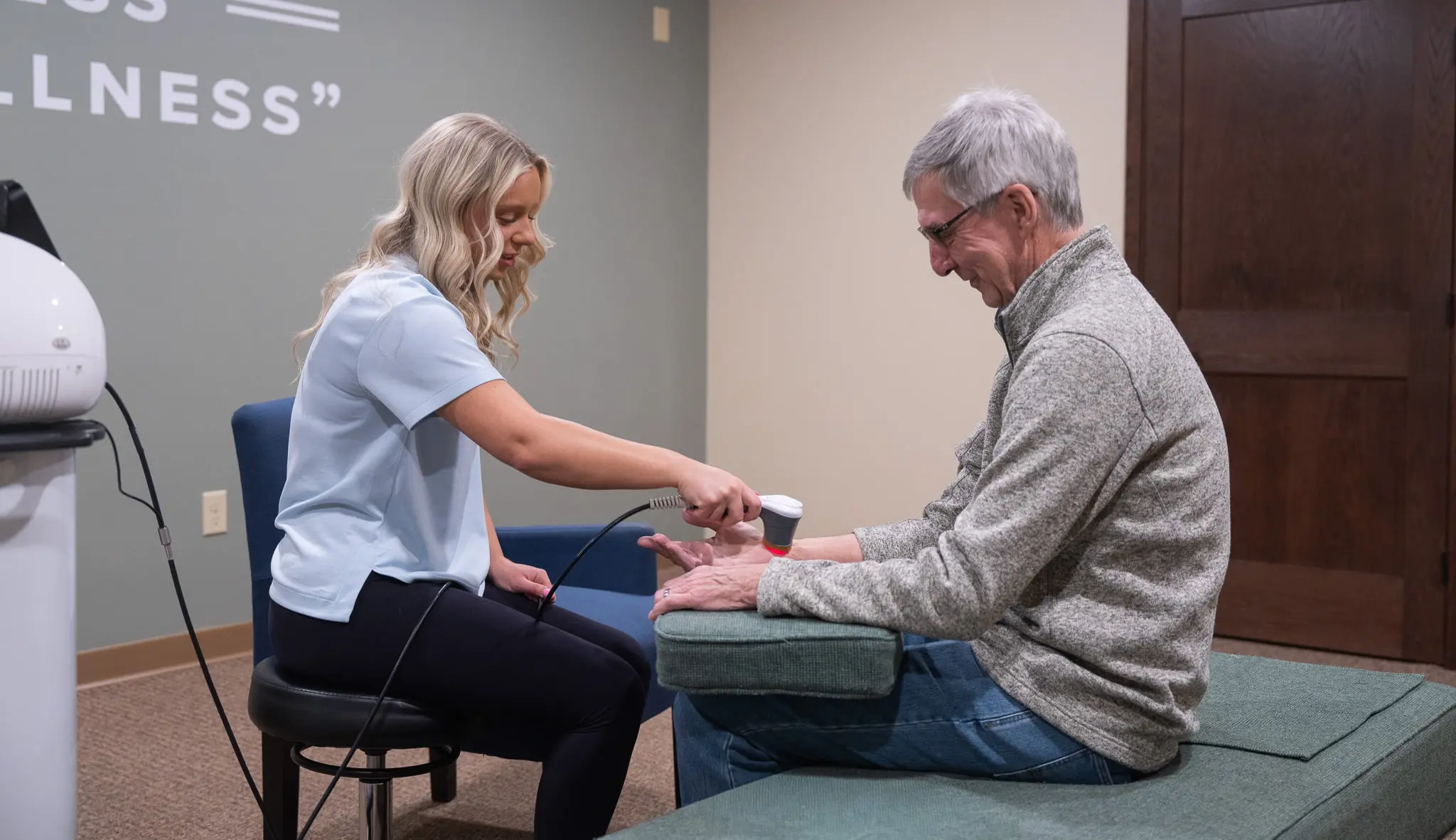
A practitioner uses a red light therapy device on an older man's hand, who is smiling, in a clinic setting.

Gonstead Approach to Sprains & Strains

The Gonstead System gives Dr. Katie and Dr. Chad a precise framework for evaluating not just the injured area but the structural and neurological patterns surrounding it. For acute injuries, care is gentle and specifically adapted to what the tissue can handle at that stage of healing. And when soft tissue healing needs an extra push, our light laser therapy works alongside chiropractic care to reduce inflammation, improve circulation, and help injured tissue repair faster.

Sprain and Strain Care at Leading Edge

Sprains and strains that don’t heal fully often leave compensatory patterns throughout the spine and joints that create bigger problems down the road. Dr. Katie and Dr. Chad assess the full picture – not just the injury site – to support complete recovery and reduce the likelihood of recurrence.

Latest Blog Insights

Frequently asked questions

1. What is the difference between a sprain and a strain?

A sprain is an injury to a ligament – the tissue connecting bones at a joint – while a strain involves a muscle or tendon. Both result from overstretching or tearing of soft tissue and both can benefit from chiropractic evaluation, particularly when joint mechanics or spinal alignment are affected by the injury.

2. Can chiropractic care help with sprains and strains?

Yes – especially when the injury has affected joint mechanics or created compensatory patterns in the spine or surrounding structures. Dr. Katie and Dr. Chad will evaluate the full picture and be straightforward about what chiropractic can address and where other care may be appropriate.

3. How long do sprains and strains typically take to heal?

It depends on the severity, location, and how quickly care begins. Minor strains may resolve within a few weeks while ligament sprains can take longer, particularly if joint instability is involved. Starting care early and addressing the full mechanical picture – not just the painful area – typically leads to faster, more complete recovery.

4. Do I need imaging for a sprain or strain?

Not always. Dr. Katie and Dr. Chad will determine whether imaging is appropriate based on your injury presentation during the evaluation. If X-rays or additional imaging are needed to guide care, they will walk you through why and what they are looking for.

5. Can light therapy help with sprains and strains?

It can be a valuable part of recovery. The Aspen Laser used at Leading Edge supports tissue healing, reduces inflammation, and improves circulation in the injured area – making it a natural complement to Gonstead chiropractic care for soft tissue injuries. Your care team will walk you through all available options and help determine the right combination for your situation.

Ready to experience Leading Edge Chiropractic? Book your consultation today.