Table of Contents
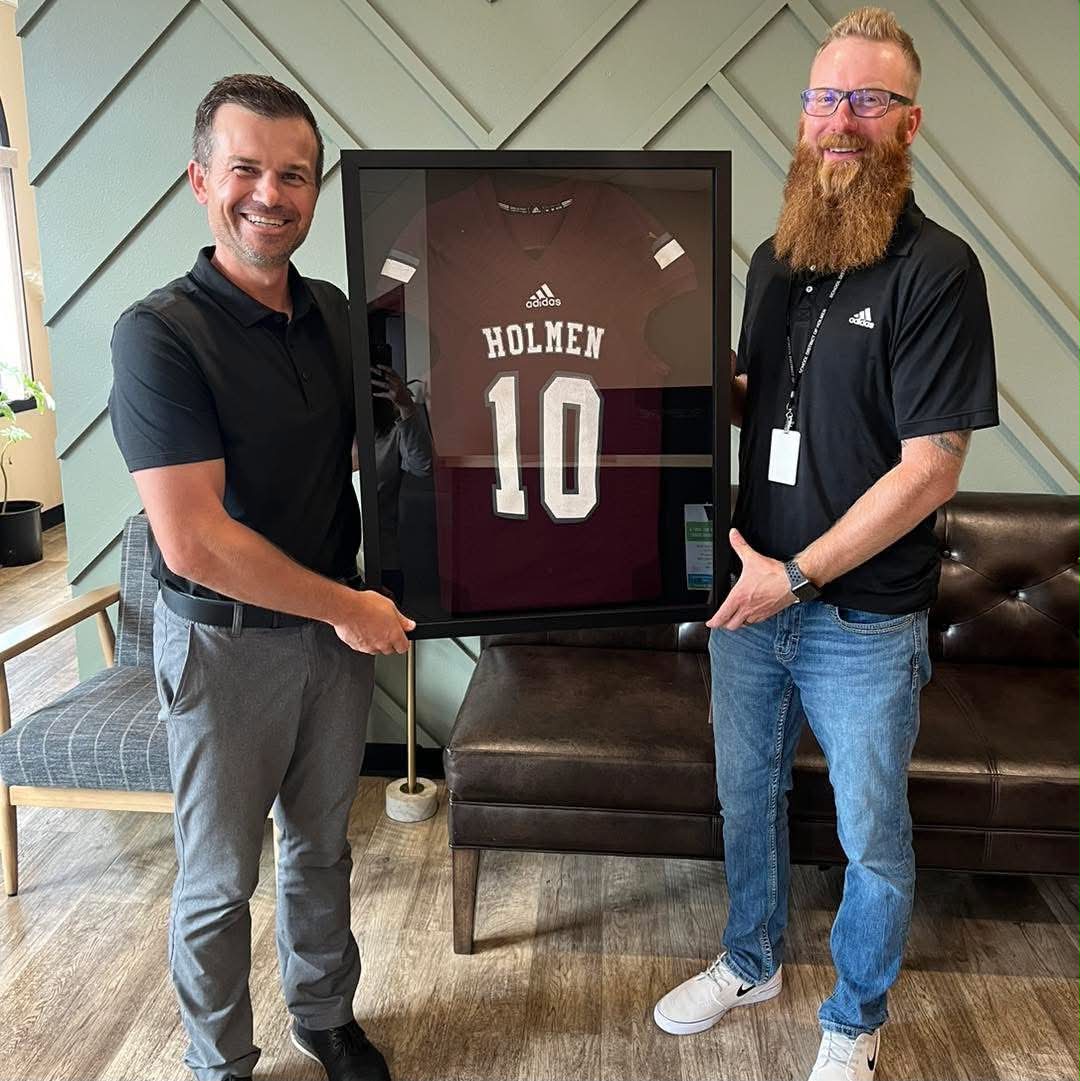
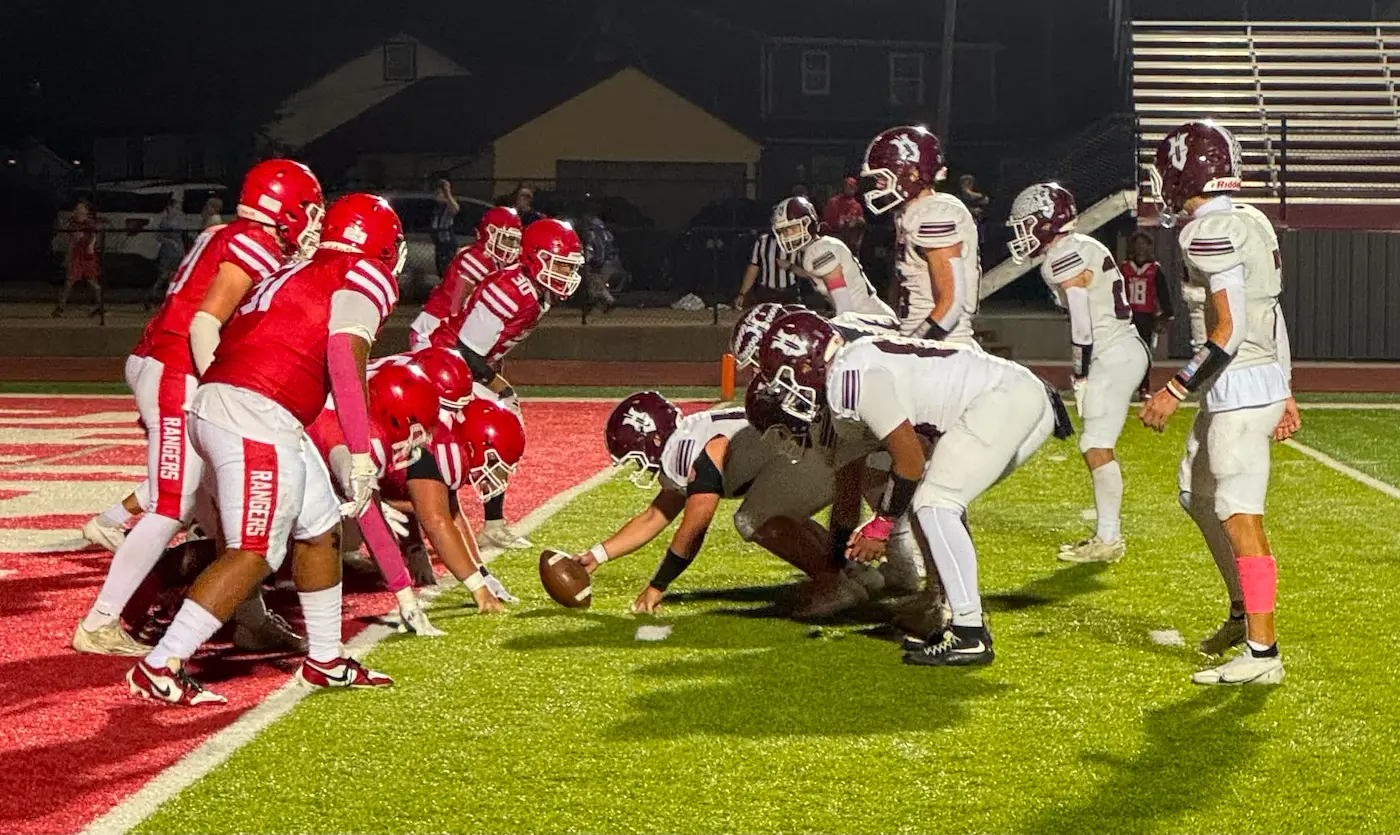
Concussions are one of the most serious and most misunderstood injuries in youth and high school sports. At Leading Edge Chiropractic in Holmen, Dr. Chad Updike has advanced training in concussion management and serves as the Team Chiropractor for the Holmen High School football team – which means he evaluates and monitors these injuries regularly, not just in theory but on the sideline and in the clinic.
Why Football Creates a Unique Concussion Environment
Football involves more frequent and more varied head impacts than almost any other sport. There’s the obvious collision – the helmet-to-helmet hit on a tackle or a block. But concussions in football also come from helmet-to-ground contact, hits that don’t look severe from the sideline, and cumulative sub-concussive impacts that accumulate across a practice or a game without a single obvious event.
That last category is the one that gets underestimated most. Research on football players at every level has made it increasingly clear that repetitive sub-concussive contact – hits that don’t produce obvious symptoms in the moment – contributes to neurological stress over the course of a season. Understanding this changes how we think about concussion management. It’s not just about the big hit. It’s about the total load.
For student-athletes in the Holmen area, this means having a provider in their corner who understands what football actually involves – not just what a concussion looks like on a symptom checklist, but what the sport demands of the body over a full season and how to manage recovery within that context.
What a Concussion Actually Is
A concussion is a mild traumatic brain injury caused by a force to the head – either direct contact or the rapid acceleration and deceleration that occurs when the head snaps forward and back. The brain moves within the skull, and that motion disrupts normal neurological function in ways that produce the symptoms most people associate with concussion: headache, dizziness, cognitive fog, light and noise sensitivity, balance problems, and fatigue.
What makes concussion particularly tricky is that it’s invisible on standard imaging. An X-ray or MRI taken after a concussion typically looks normal. That’s not because nothing happened – it’s because the injury is functional, not structural. The brain’s communication and energy systems have been disrupted, but the disruption doesn’t show up on film.
This is why symptom monitoring, graded return-to-activity protocols, and clinical assessment by a trained provider matter so much. There’s no scan that tells you when a concussion is resolved. Recovery has to be tracked through symptoms, cognitive function, and physical response to progressive exertion – which is exactly what a structured return-to-play protocol does.
The Cervical Spine Component Most People Miss
Here’s something that doesn’t get enough attention in most concussion conversations: the forces that produce a concussion almost always involve the neck. Whether it’s a direct head impact, a whiplash-type hit, or a fall, the cervical spine absorbs a significant portion of that force. And when the upper cervical spine is injured or restricted as a result, it contributes directly to many of the symptoms patients associate with the concussion itself.
Neck pain and stiffness after a head injury, headaches that start at the base of the skull, dizziness, and difficulty concentrating can all be driven or worsened by cervical dysfunction – not just by the brain injury itself. This matters enormously for treatment, because if the cervical component is never addressed, those symptoms can persist long after the brain has functionally recovered.
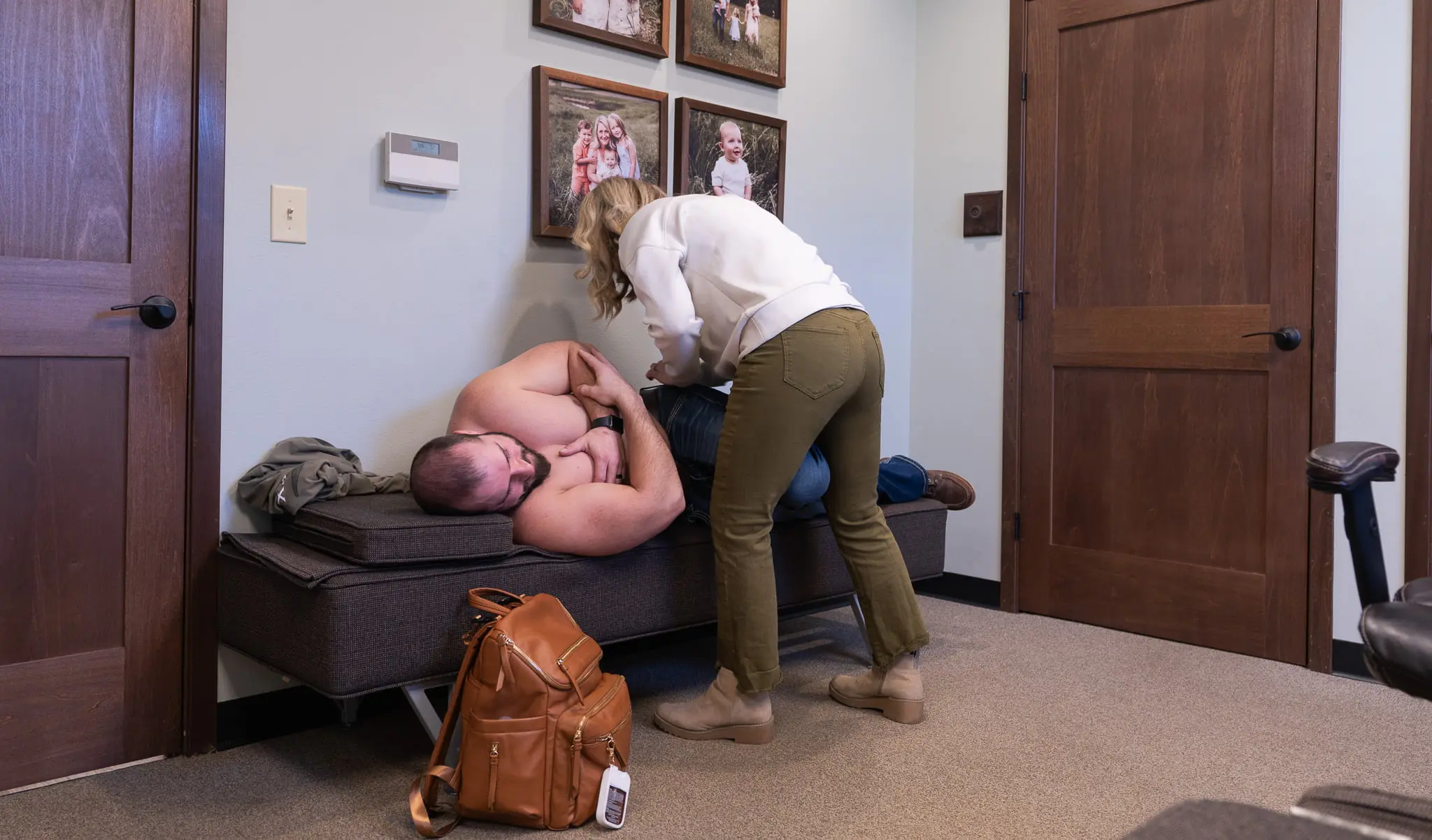
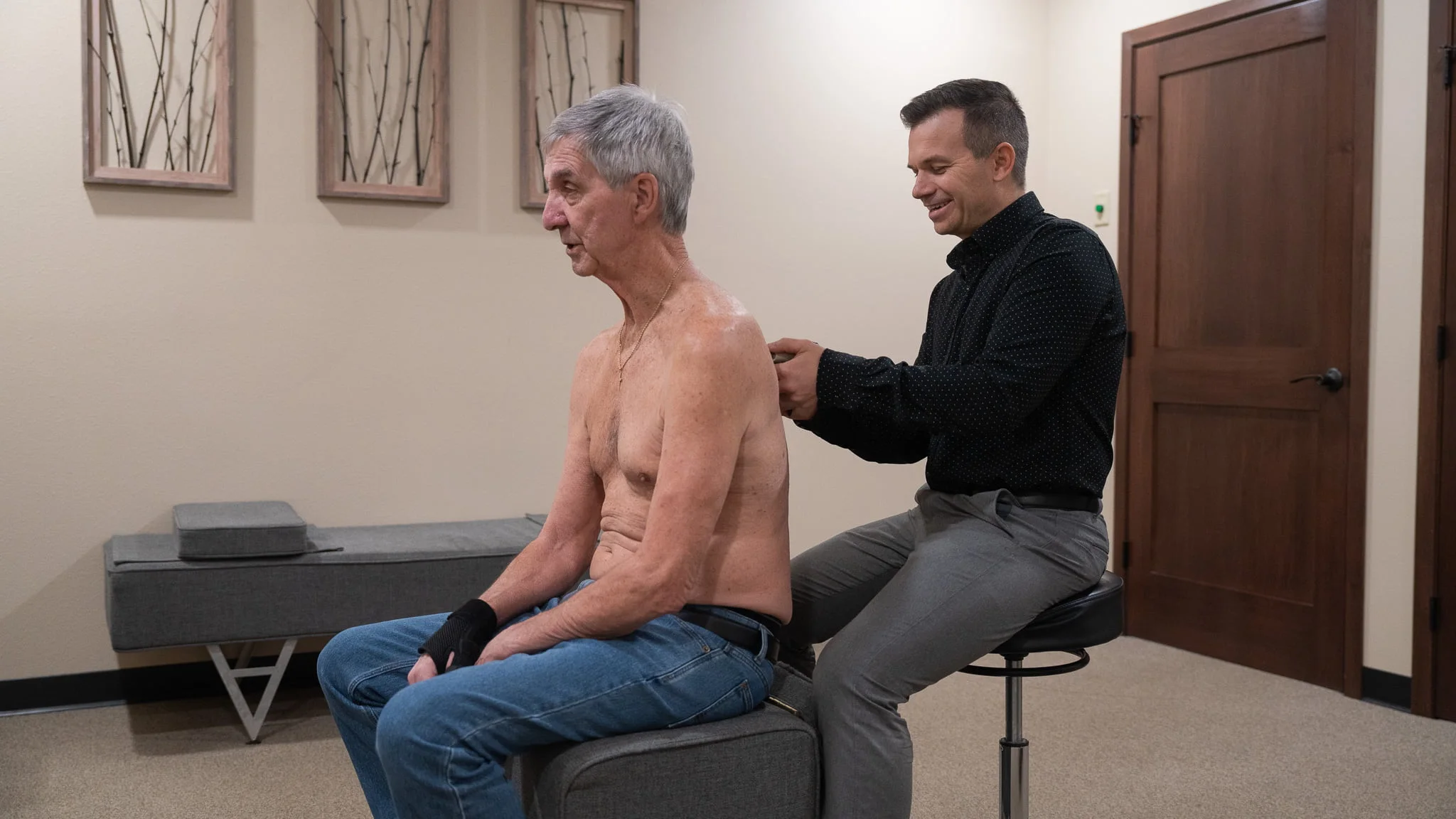
This is one of the core reasons that chiropractic has a meaningful role in concussion management. Dr. Chad’s evaluation of a concussion patient includes thorough assessment of the upper cervical spine – looking for restriction, misalignment, and the soft tissue injury that commonly accompanies head trauma. Addressing the cervical component while monitoring the neurological recovery gives patients a more complete path back to full health.
How Dr. Chad Approaches Concussion Management
Every concussion is different, and Dr. Chad’s approach reflects that. There’s no single protocol that applies to every player in every situation. What there is: a structured, evidence-informed framework for evaluation and return-to-activity that takes both the neurological and the musculoskeletal picture into account.
The initial evaluation after a suspected concussion covers the full symptom picture, baseline cognitive and neurological assessment, and thorough examination of the cervical spine. From there, the return-to-play process follows a gradual, graded progression – moving from rest through light aerobic activity, sport-specific activity, non-contact drills, full-contact practice, and finally return to competition. Each step is contingent on the player remaining symptom-free at the previous level before advancing.
This isn’t a rush-back process. It’s a protect-the-athlete process. The goal is not to get a player back on the field as fast as possible. It’s to get them back safely – fully recovered, fully cleared, and at no greater risk than before the injury. For student-athletes whose long-term health matters as much as this Friday’s game, that distinction is everything.
Football Injuries Beyond Concussion
As Team Chiropractor for Holmen High School football, Dr. Chad works with athletes on a wide range of injuries throughout the season – not just head injuries. Football is hard on the body in a lot of ways.
Neck stiffness and cervical strain are extremely common in linemen and skill players alike. The forces involved in blocking, tackling, and being tackled regularly strain the cervical muscles and restrict normal joint motion. Gonstead adjustments to the cervical and upper thoracic spine restore normal mechanics and reduce the headache and stiffness that accumulates over a season of contact.
Shoulder injuries – AC joint sprains, rotator cuff strains, shoulder impingement – are among the most frequent injuries in football. Dr. Chad evaluates both the shoulder joint and the cervical spine that contributes to shoulder function, addressing the full picture rather than just the painful area.
Low back pain from repetitive loading, blocking positions, and the cumulative impact of a full season is something most football players deal with at some point. Specific Gonstead lumbar and pelvic adjustments address the mechanical source rather than just managing the pain.
Sprains and strains throughout the body – ankles, knees, hips, shoulders – benefit from both chiropractic care to restore joint mechanics and laser therapy to support tissue healing and reduce the inflammation that slows recovery.
Why Early Evaluation After a Head Injury Matters
One of the most important things any athlete, parent, or coach can do after a suspected concussion is get an evaluation promptly. Not because something dramatic needs to happen right away, but because establishing an accurate baseline early – before symptoms evolve or resolve on their own – gives the managing provider a clear picture to track recovery against.
Waiting to see how things go is one of the most common mistakes. Symptoms sometimes improve quickly in the first day or two, which can create the impression that the injury is minor and recovery is happening. But symptom resolution doesn’t always equal full neurological recovery – and athletes who return to contact before they’re fully recovered are at significantly elevated risk for a second concussion that is harder to recover from than the first.
If a Holmen area athlete takes a hit to the head and shows any symptoms – headache, dizziness, feeling “foggy,” sensitivity to light or noise, or just not feeling right – that’s the moment to come in. Not next week. Not after the next game. Now.
What Parents and Coaches Should Watch For
Concussion symptoms in athletes don’t always look the way people expect. Some players are obviously impaired. Others look fine and just seem a little off. A few things to watch for on the sideline or in the hours after a game or practice:
Headache that develops or worsens after a hit. Sensitivity to light or noise that wasn’t there before. Feeling slowed down, foggy, or like they can’t track what’s happening around them. Balance problems or clumsiness. Any loss of consciousness, even briefly. Emotional changes – becoming unusually irritable or emotional without a clear reason. Sleep disruption in the first night or two after a hit.
If any of these are present, the athlete comes out of play and gets evaluated. Full stop. No waiting, no “let’s see how the second half goes.” The cost of getting it wrong is too high.
If you have a student-athlete in the Holmen area who has taken a significant hit, or if you want to establish baseline concussion testing before the season starts, contact Leading Edge Chiropractic or call 608-526-2854. Dr. Chad is available and takes these evaluations seriously.
Leading Edge Chiropractic serves Holmen, WI and the surrounding La Crosse area with precise, results-driven chiropractic care. Dr. Chad Updike and Dr. Katie Canar are both extensively trained in the Gonstead method, bringing a level of specificity and thoroughness to every patient that goes well beyond a standard adjustment. Dr. Chad serves as Team Chiropractor for the Holmen High School football team and has spent a decade on the board of the Chiropractic Society of Wisconsin, including two years as President. Dr. Katie graduated summa cum laude from Palmer College of Chiropractic, holds Webster Certification for prenatal care, and has completed hundreds of hours of advanced Gonstead training. Together they care for patients of all ages, from infants and student-athletes to active adults and seniors. If you’re ready to find out what’s actually driving your symptoms, contact Leading Edge Chiropractic today.

Leading Edge Chiropractic serves Holmen, WI and the surrounding La Crosse area with precise, results-driven chiropractic care. Dr. Chad Updike and Dr. Katie Canar are both extensively trained in the Gonstead method, bringing a level of specificity and thoroughness to every patient that goes well beyond a standard adjustment. Dr. Chad serves as Team Chiropractor for the Holmen High School football team and has spent a decade on the board of the Chiropractic Society of Wisconsin, including two years as President. Dr. Katie graduated summa cum laude from Palmer College of Chiropractic, holds Webster Certification for prenatal care, and has completed hundreds of hours of advanced Gonstead training. Together they care for patients of all ages, from infants and student-athletes to active adults and seniors. If you’re ready to find out what’s actually driving your symptoms, contact Leading Edge Chiropractic today.