Table of Contents
If your joints ache more when the temperature drops, you are not imagining it. Cold weather joint pain is a real and common experience, especially through a Wisconsin winter, and there are genuine physiological reasons behind it. At Leading Edge Chiropractic in Holmen WI, Dr. Chad Updike hears about it from patients every year as the cold sets in, and the good news is that there are real things you can do about it.
Why Cold Weather Makes Joints Hurt
Several factors combine to make joints feel worse in cold weather. None of them are in your head, and understanding them helps explain why the right approach can make a meaningful difference.
Drop in Barometric Pressure
When the weather turns cold, barometric pressure often drops. Lower air pressure allows the tissues around your joints to expand slightly. In a joint that is already inflamed or compromised, that small expansion increases pressure on the surrounding nerves and produces more pain. This is why many people can feel a weather change coming in their joints before it arrives.
Thicker Joint Fluid
The synovial fluid that lubricates your joints becomes more viscous in cold temperatures. Thicker fluid means less smooth movement, which is why joints feel stiffer and creakier in the cold. The stiffness is most noticeable first thing in the morning and after periods of inactivity.
Muscle Tension and Reduced Circulation
Cold causes muscles to tense and blood vessels to constrict, reducing circulation to the muscles and joints. Less blood flow means less oxygen and fewer nutrients reaching the tissues, along with reduced removal of inflammatory byproducts. Tense muscles also pull on the joints they surround, adding to the discomfort.
Reduced Activity
People naturally move less in cold weather. We stay indoors, bundle up, and become more sedentary. But movement is what keeps joints lubricated and muscles loose. The drop in activity during winter months allows stiffness to set in and existing joint problems to feel worse.
Who Feels It Most
Cold weather joint pain affects some people more than others. Those with existing joint conditions like arthritis tend to feel it most acutely. People with previous injuries often notice old problem areas flaring up in the cold. Older adults in the La Crosse area frequently report increased stiffness and pain through the winter months.
People with underlying spinal misalignments also tend to feel the cold more in their backs and necks. When a joint is already under abnormal stress from misalignment, the added effects of cold weather push it further toward pain. This is part of why addressing the structural side of the problem makes such a difference.
How Chiropractic Care Helps With Cold Weather Pain
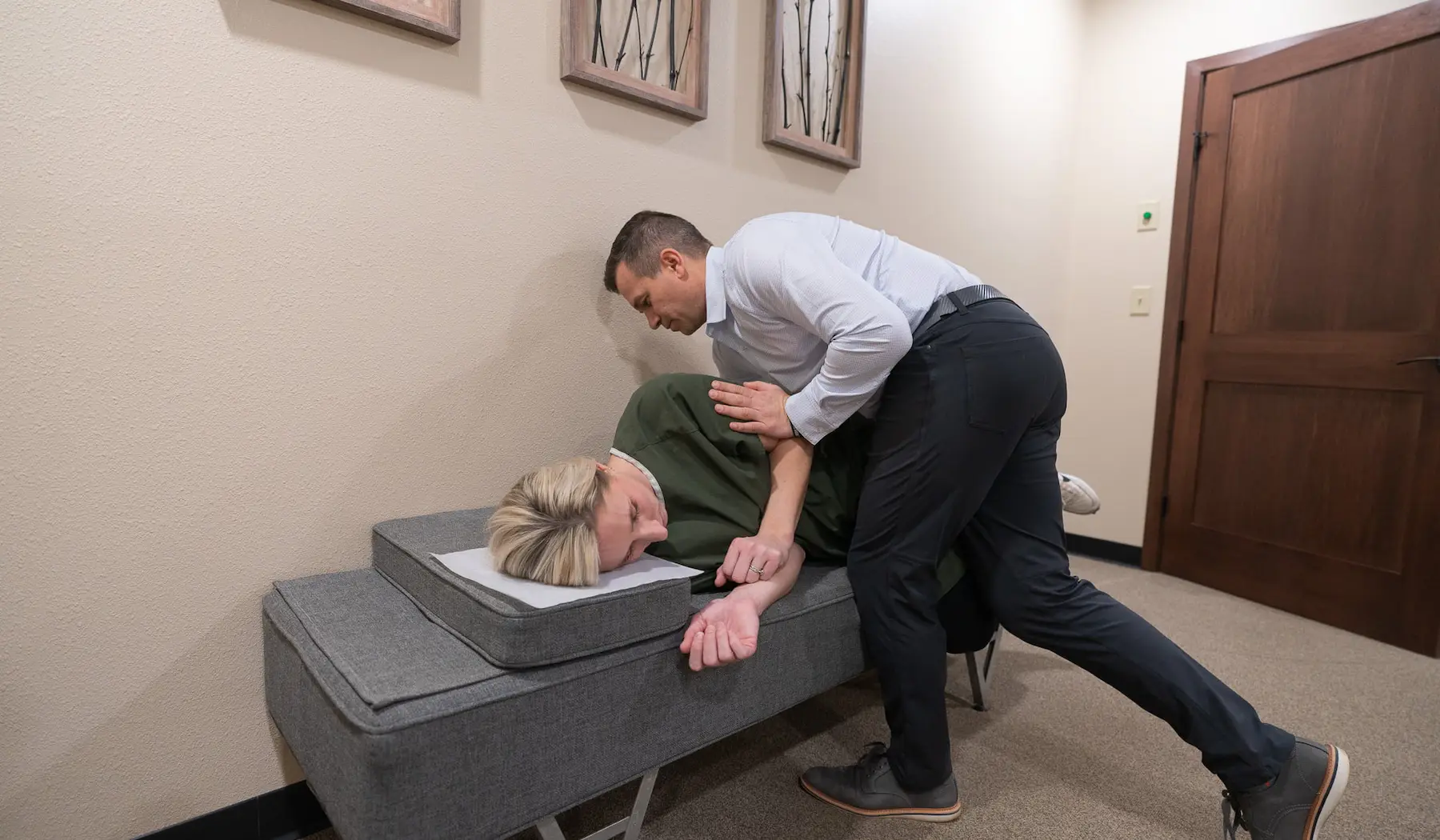
Chiropractic care cannot change the weather, but it addresses several of the factors that make joints hurt in the cold. The Gonstead method used at Leading Edge Chiropractic identifies and corrects the spinal and joint misalignments that leave you more vulnerable to seasonal pain.
When joints are properly aligned and moving correctly, they handle the stresses of cold weather better. Reducing the underlying inflammation and mechanical stress means there is less for the cold to aggravate. Adjustments also improve nervous system function and circulation, both of which help the body manage the effects of cold on the joints.
Patients who maintain regular chiropractic care through the winter often report that their seasonal joint pain is more manageable than it used to be. The cold still affects them, but the baseline level of joint health is better, so the impact is reduced.
What You Can Do at Home
Alongside chiropractic care, several practical strategies help reduce cold weather joint pain through a Wisconsin winter.
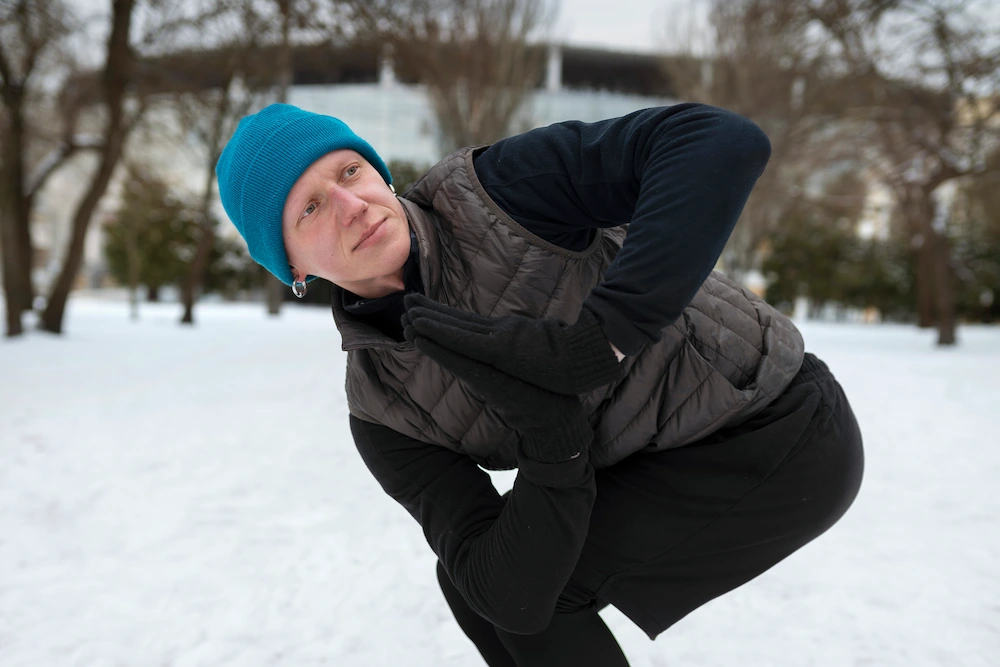
- Keep moving. Regular gentle movement and stretching keeps joints lubricated and muscles loose. Do not let the cold turn you sedentary.
- Dress in layers and keep problem joints warm. Warmth keeps the synovial fluid flowing and the muscles relaxed.
- Stay hydrated. People drink less water in winter, but hydration matters for joint and tissue health.
- Use heat strategically. A warm shower in the morning or a heating pad on a stiff area helps loosen things up.
- Maintain indoor activity. If outdoor activity drops off, find ways to keep moving indoors so joints do not stiffen up.
These habits work best alongside addressing the structural side of the problem. Movement and warmth help, but they do not correct an underlying misalignment that is making a joint vulnerable in the first place.
Do Not Just Wait for Spring
Many people simply endure cold weather joint pain and wait for warmer months to bring relief. While the pain may ease when the weather warms, the underlying problems that made the joint vulnerable are still there, waiting for the next winter. Addressing those problems means the next cold season does not have to be as difficult.
Winter is actually a good time to get evaluated precisely because the joints are under more stress and the problems are easier to identify when they are symptomatic. Catching and correcting the underlying issues now sets you up for a more comfortable winter.
Frequently Asked Questions
Is cold weather joint pain a sign of arthritis?
Not necessarily. Many people without arthritis experience increased joint pain in cold weather due to the factors described above. That said, if you have significant or worsening joint pain, an evaluation can help determine what is going on and whether arthritis or another condition is involved.
Will moving to a warmer climate fix the problem?
A warmer climate may reduce the seasonal flares, but it does not address underlying joint or spinal problems. Many people who relocate find that while the weather-related pain improves, the structural issues remain. Addressing the cause is more reliable than relying on climate.
Make This Winter More Comfortable
If cold weather has your joints aching every year, there is more you can do than just wait it out. Contact Leading Edge Chiropractic or call 608-526-2854 to schedule an evaluation with Dr. Chad in Holmen and head into the cold season better prepared.

Leading Edge Chiropractic serves Holmen, WI and the surrounding La Crosse area with precise, results-driven chiropractic care. Dr. Chad Updike and Dr. Katie Canar are both extensively trained in the Gonstead method, bringing a level of specificity and thoroughness to every patient that goes well beyond a standard adjustment. Dr. Chad serves as Team Chiropractor for the Holmen High School football team and has spent a decade on the board of the Chiropractic Society of Wisconsin, including two years as President. Dr. Katie graduated summa cum laude from Palmer College of Chiropractic, holds Webster Certification for prenatal care, and has completed hundreds of hours of advanced Gonstead training. Together they care for patients of all ages, from infants and student-athletes to active adults and seniors. If you’re ready to find out what’s actually driving your symptoms, contact Leading Edge Chiropractic today.