Table of Contents
One of the most common questions people have about chiropractic care, and one of the biggest sources of skepticism, is how often they actually need to go. The honest answer is that it depends on your situation, your goals, and where you are in your care. There is no single number that applies to everyone. At Leading Edge Chiropractic in Holmen WI, Dr. Katie Canar believes in being straight with patients about visit frequency rather than pushing a one-size-fits-all schedule.
Why There Is No Single Answer
Chiropractic visit frequency is not one-size-fits-all, and anyone who tells you otherwise is oversimplifying. How often you should come in depends on what you are dealing with, how long it has been going on, how your body responds to care, and what you are trying to achieve.
Someone recovering from an acute injury has different needs than someone managing a chronic condition, who has different needs than someone who feels great and wants to maintain their spinal health. Treating all of these situations the same way does not make sense.
This is why the approach at Leading Edge starts with understanding your specific situation. The recommended frequency comes out of what your evaluation reveals and what you want to accomplish, not a predetermined package.
The Different Phases of Care
For most people, chiropractic care moves through phases, and the frequency of visits changes as you progress.
The Initial Relief Phase
When you first start care, especially if you are in pain, visits tend to be more frequent. This is the phase where the goal is to reduce your pain and begin correcting the underlying problem. Depending on the severity and nature of the issue, this might mean coming in a couple of times a week for a period of time. The spine often needs more consistent attention early on to start shifting out of the pattern it has been stuck in.
The Corrective Phase
As your pain improves and the acute problem starts to resolve, care moves into a corrective phase focused on addressing the underlying structural issues more fully. Visits typically become less frequent during this phase. The goal here is not just to feel better but to actually correct the problem so it holds.
The Maintenance Phase
Once the problem is corrected, many patients choose to continue with occasional maintenance visits. This is entirely optional, and it is where a lot of the skepticism about chiropractic comes from, so it deserves an honest explanation.
The Honest Truth About Maintenance Care
Let’s address the question directly, because it is the one people really want answered. Do you have to see a chiropractor forever? No. You do not.
Once your specific problem is corrected, whether you continue with maintenance care is your choice. Some patients finish their course of care, feel great, and come back only if something comes up again. That is a perfectly valid approach, and Dr. Katie fully supports it.
Other patients choose ongoing maintenance care because they find it helps them stay ahead of problems, much like getting regular dental cleanings before there is a cavity. For people with physically demanding jobs, chronic conditions, or a history of recurring issues, periodic maintenance can genuinely help keep small problems from becoming big ones.
The key word is choice. At Leading Edge Chiropractic, maintenance care is offered as an option for those who want it, not required or pressured. You will always understand why a particular frequency is being recommended, and the decision about ongoing care is yours to make.
What Affects How Often You Should Come In
Several factors influence the right visit frequency for a given person. Understanding them helps explain why recommendations vary.
- The severity of your condition and how much pain you are in
- How long the problem has been present, since chronic issues generally take longer
- How your body responds to care, as some people progress faster than others
- Your lifestyle and daily demands, including your work and activity level
- Your personal goals, whether that is pain relief, correction, or ongoing wellness
Dr. Katie considers all of these when making recommendations. Two patients with similar complaints might have different ideal frequencies based on these factors, which is exactly why an individualized approach matters.
How the Gonstead Method Guides Frequency
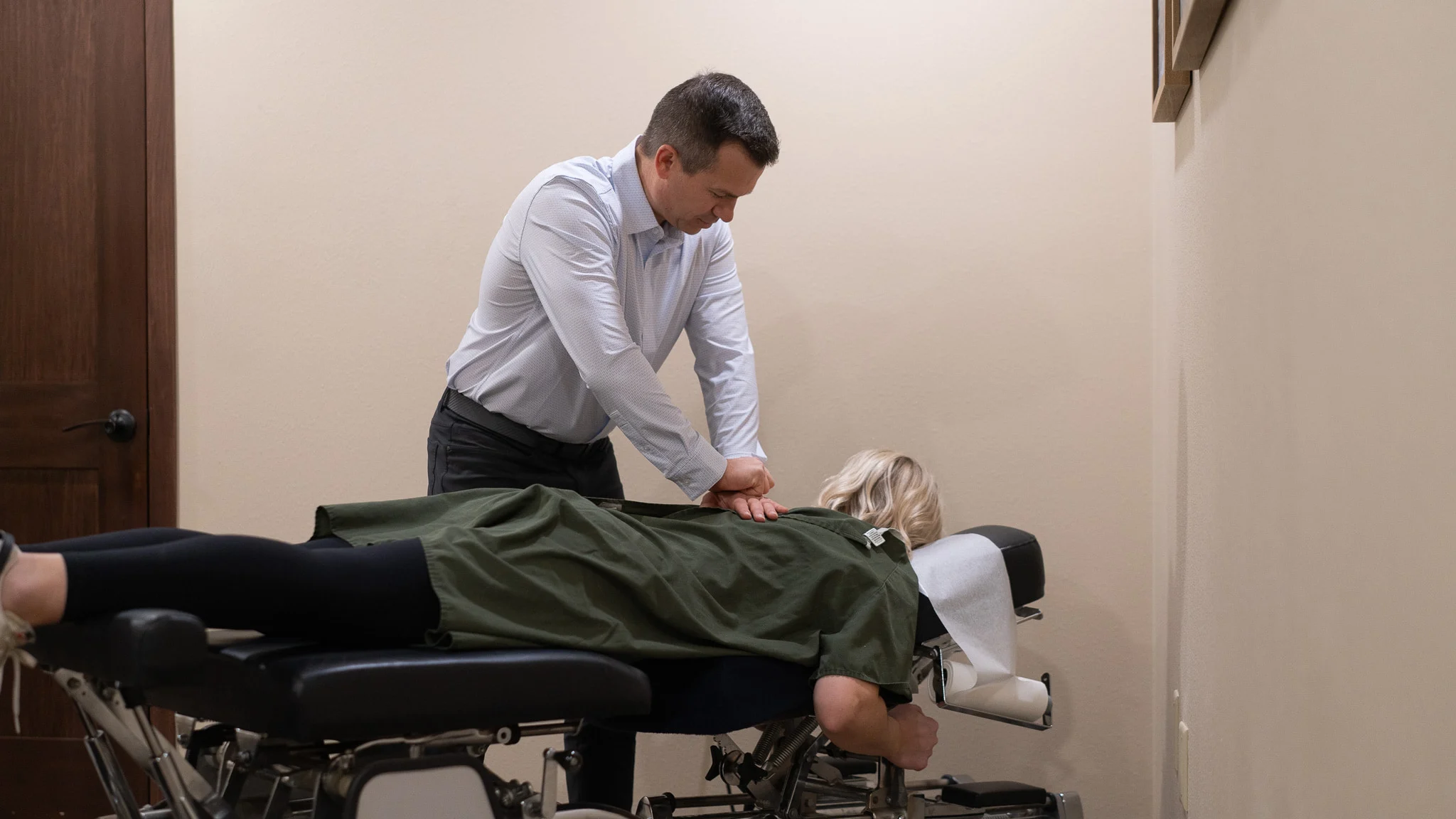
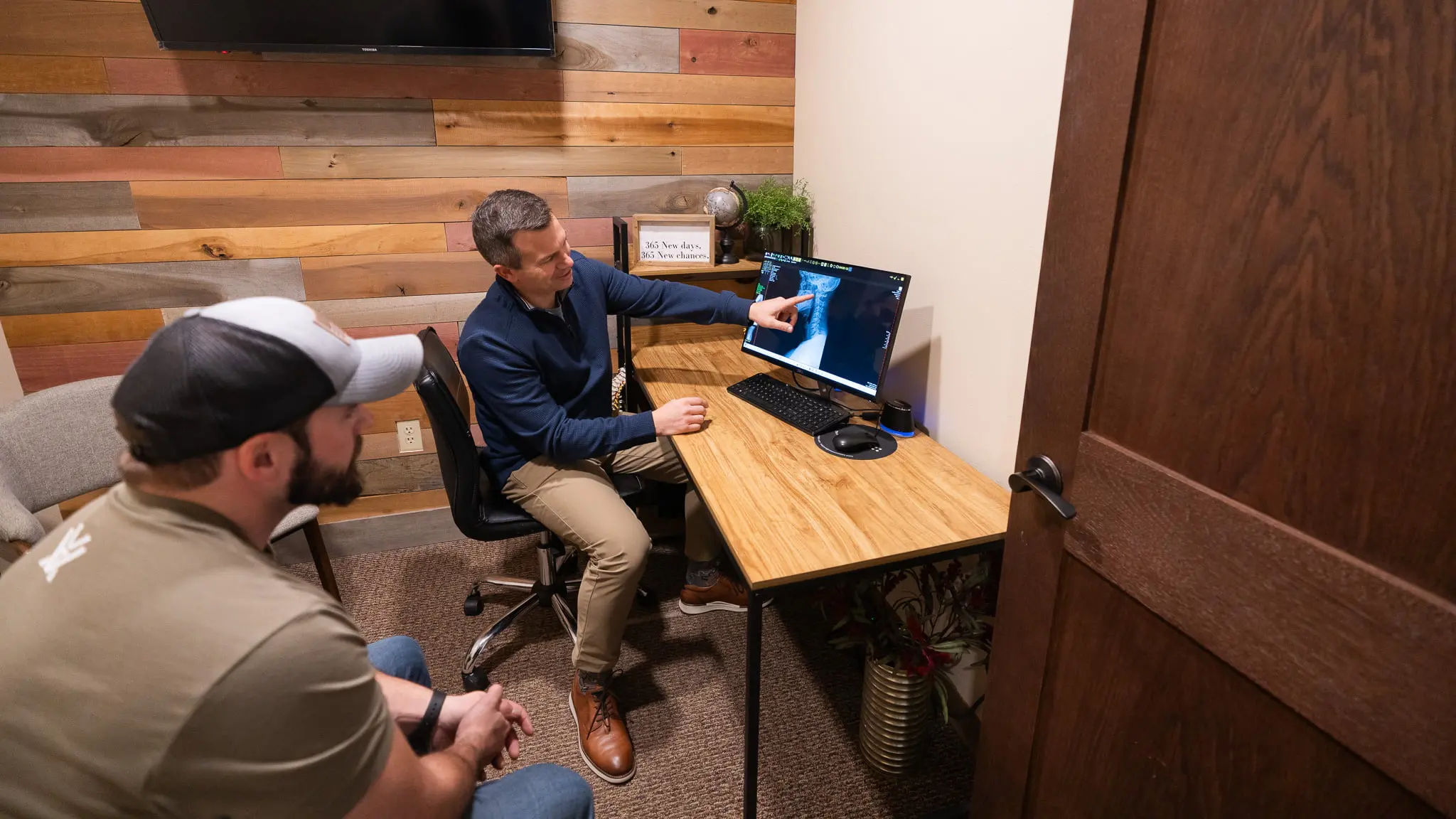
One of the strengths of the Gonstead method used at Leading Edge is that every visit includes a reassessment before any adjustment. This means care is guided by what your spine is actually doing on a given day, not a preset schedule.
If your spine is holding its correction well, that informs the frequency going forward. If it is not holding yet, that is useful information too. This responsive approach means your visit frequency is based on real evidence of how you are progressing, and it naturally decreases as your spine stabilizes and the correction holds.
Patients throughout the La Crosse area appreciate this because it takes the guesswork and the sales pressure out of the equation. The frequency follows the findings.
Red Flags to Watch For
Since skepticism about chiropractic often centers on frequency, it is worth mentioning what to be cautious of. Be wary of any provider who insists on a long, rigid schedule of frequent visits before even evaluating you, who pressures you into lengthy prepaid packages, or who cannot clearly explain why a particular frequency is recommended for your specific situation.
Good chiropractic care is transparent about frequency, adjusts recommendations based on your progress, and respects your autonomy in deciding about ongoing care. That is the standard Dr. Katie and Dr. Chad hold themselves to at Leading Edge.
Frequently Asked Questions
Will I have to keep coming forever?
No. Once your specific problem is corrected, ongoing maintenance care is entirely your choice. Many patients finish their care and return only if something new comes up. Others choose periodic maintenance because they find it helpful, but it is never required or pressured.
How many visits will I need to feel better?
It varies based on your condition and how long it has been present. Some patients feel relief within the first few visits, while more chronic issues take longer. Dr. Katie will give you an honest estimate based on your specific evaluation rather than a generic number.
Get a Clear, Honest Plan
If you want chiropractic care with straightforward guidance about what you actually need, we would be glad to help. Contact Leading Edge Chiropractic or call 608-526-2854 to schedule an evaluation with Dr. Katie in Holmen.

Leading Edge Chiropractic serves Holmen, WI and the surrounding La Crosse area with precise, results-driven chiropractic care. Dr. Chad Updike and Dr. Katie Canar are both extensively trained in the Gonstead method, bringing a level of specificity and thoroughness to every patient that goes well beyond a standard adjustment. Dr. Chad serves as Team Chiropractor for the Holmen High School football team and has spent a decade on the board of the Chiropractic Society of Wisconsin, including two years as President. Dr. Katie graduated summa cum laude from Palmer College of Chiropractic, holds Webster Certification for prenatal care, and has completed hundreds of hours of advanced Gonstead training. Together they care for patients of all ages, from infants and student-athletes to active adults and seniors. If you’re ready to find out what’s actually driving your symptoms, contact Leading Edge Chiropractic today.